Natural Diamonds: A Comprehensive Guide

At Clean Origin, we believe exceptional natural diamonds aren't only defined by brilliance but also by ethical sourcing, traceability, and transparency.

Why We're Introducing Natural Diamonds

Clean Origin has always stood for ethical practices and transparency. Historically, we focused exclusively on lab-grown diamonds because of their guaranteed ethical origins. However, many of our customers have expressed a strong desire for ethically sourced natural diamonds. We're proud to announce our expansion into responsibly mined natural diamonds, selected with the same rigorous standards you've come to expect from us.

Natural diamonds represent a longstanding part of the jewelry industry. They hold cultural, historical, and personal significance that matters deeply to many individuals and families. Our decision to include natural diamonds reflects an evolving view of sustainability—one that supports both innovation and tradition when done responsibly.

This move also allows us to better serve diverse needs. By offering both types of diamonds, we empower customers to make informed choices based on individual values, preferences, and life moments. Clean Origin’s goal remains unchanged: to ensure that every diamond is sourced, selected, and sold with integrity.

What Is a Natural Diamond?

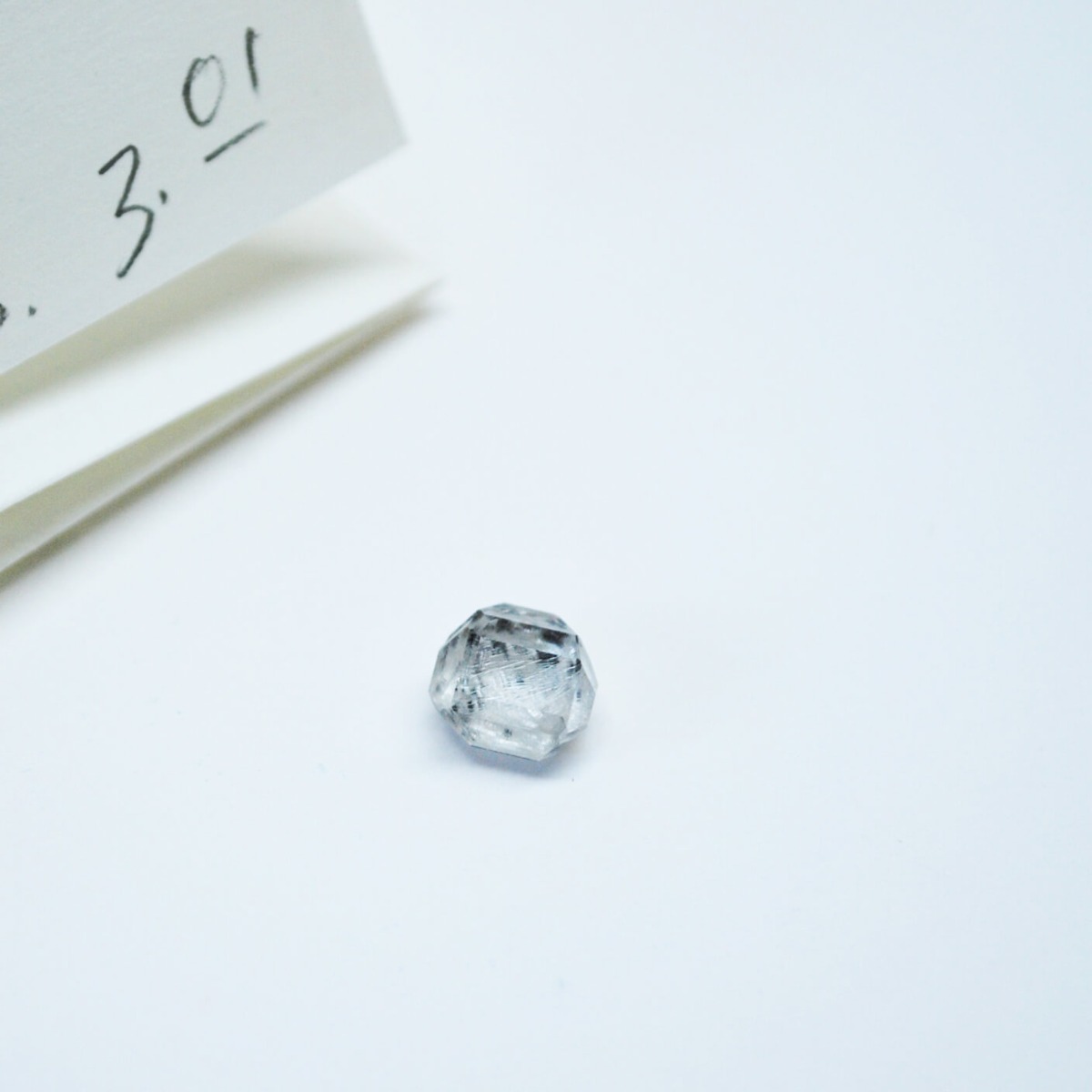
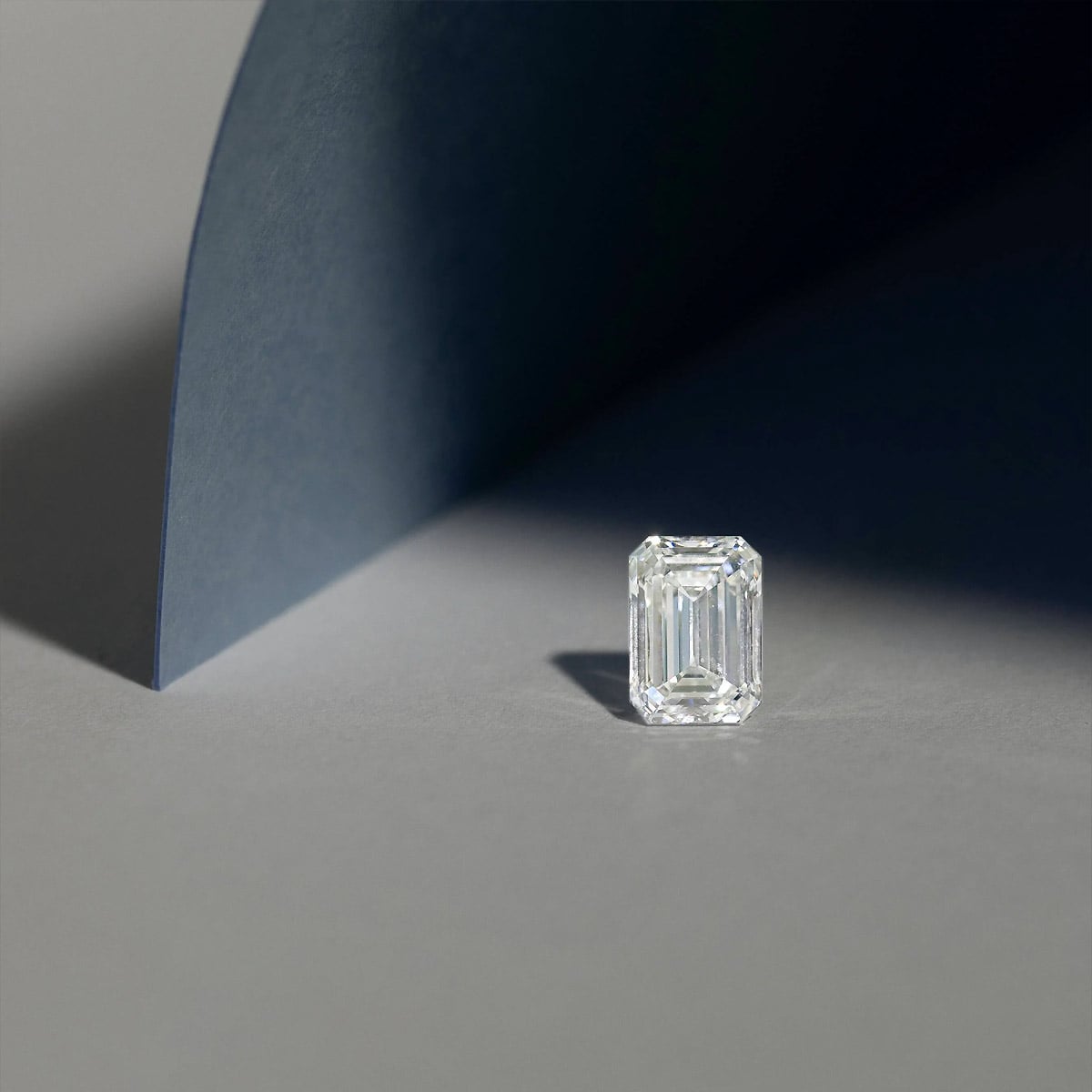
A natural diamond is a crystal made entirely of carbon, formed deep within the Earth over billions of years. Unlike simulants like cubic zirconia or moissanite, natural diamonds have a unique chemical structure and origin that can’t be replicated.

Each natural diamond is the result of a physical process that occurs without human intervention. Their internal structure is tested through gemological analysis, distinguishing them clearly from lookalikes or synthetics. Natural diamonds are mined from select geological regions and then sorted, cut, and polished.

How Natural Diamonds Are Formed

Natural diamonds are born from extreme heat and pressure, about 100 miles beneath the Earth’s surface. Carbon atoms bond tightly together and, over time, are pushed upward by volcanic activity. Each diamond is a one-of-a-kind result of natural geological forces. This process can take between one to three billion years, making every diamond a true piece of Earth's history.

These diamonds reach the surface through natural shifts in Earth’s crust. Extraction takes place in areas where ancient volcanic activity occurred. The process of bringing a diamond from formation to finished product involves collaboration between mining experts, gemologists, and skilled artisans.

Natural vs. Lab-Grown Diamonds

Both natural and lab-grown diamonds are made of carbon and have the same physical properties. The key difference lies in their origin: natural diamonds form underground over millennia, while lab-grown ones are produced in a matter of weeks using high-tech methods. Lab diamonds are often more affordable, while natural diamonds are valued for their rarity and history. Choosing between the two often comes down to what matters more to you: origin or cost.

Lab-grown diamonds are created in controlled environments using advanced equipment. Natural diamonds are extracted through regulated mining processes that vary by region and supplier. Both types go through inspection, grading, and certification. Both can be used in engagement rings, necklaces, earrings, and other personal items.

Ethical Sourcing at Clean Origin

At Clean Origin, we take sourcing seriously. Our natural diamonds are carefully selected from suppliers that follow strict environmental and labor standards. Transparency is built into every step of our supply chain, ensuring you know exactly where your diamond comes from. We believe customers should never have to question the integrity behind their purchase.

Our sourcing team maintains records and tracks diamonds from origin to sale. Lab-grown diamonds are produced in certified facilities with known energy usage and materials. Natural diamonds are sourced from suppliers who operate under recognized codes of conduct and provide documentation that outlines worker protections, environmental practices, and compliance with international laws.

Common Misconceptions About Natural Diamonds

Natural diamonds aren’t automatically unethical. With modern sourcing practices, many come from responsible mines. On the flip side, not every natural diamond is better than a lab-grown one—it depends on what you value most. Myths often simplify a complex, evolving industry. Doing your research and asking the right questions can reveal how far the industry has progressed.

Some believe that all mined diamonds come from harmful sources. That is not accurate. Mining today is regulated by several industry bodies and third-party monitors. Terms like “conflict-free” have definitions supported by documentation. Choosing a diamond based on facts—not assumptions—ensures a better buying experience.

Value, Quality, and Rarity

Some customers are drawn to the lasting value and story behind a natural diamond. Each one is graded for cut, clarity, color, and carat. Truly rare diamonds—those with exceptional characteristics—command higher prices due to their limited supply. A naturally formed diamond is not just jewelry; it’s a legacy you can pass down.

Natural diamonds have resale markets and are traded globally. They are evaluated by independent laboratories and often held as long-term assets. Certain shapes, sizes, and types are more difficult to find. These factors influence availability and pricing across different markets and seasons.

Choosing What’s Right for You

There’s no one-size-fits-all answer. If you value tradition, rarity, and natural origin, a mined diamond may speak to you. If you prioritize innovation, cost, or sustainability, lab-grown might be the better fit. The key is choosing what aligns with your values and budget. Ultimately, your diamond should feel meaningful to you—no matter how it was made.

Some customers choose based on personal belief systems. Others decide based on price, size, or timeline. Whether your goal is symbolism, gift-giving, or investment, the right diamond supports that goal. At Clean Origin, we support whichever path you take.


Natural diamonds offer a connection to Earth’s deep past and remain a meaningful choice for many. With responsible sourcing and clear information, you can find the diamond that’s right for you—whether formed underground or in a lab. Your story is unique—your diamond should be, too.

How Are Natural Created Diamonds Graded and Evaluated

While the 4Cs of diamonds are the most common criteria for assessing diamonds, it is not standardized, so certification labs are free to use other systems to grade and evaluate diamonds.

The most popular diamond certification labs are The Gemological Institute of America (GIA)Antwerp World Diamond Center (AWDC)American Gem Society (AGS)International Gemological Institute (IGI), and Gemological Science International (GSI).

What Are the Physical Properties of Natural Created Diamonds?

A laboratory grown diamond has identical physical properties to a mined diamond. These are characteristics that can be observed and measured without altering the diamond. Some of the most common ones used when talking about natural created diamonds are:
Hardness, Toughness, and Durability

The hardness of a gemstone is defined by how well it resists scratches and other abrasions. The Mohs scale ranks gems on a relative scale based on their hardness, with diamonds ranked the highest — giving them the distinction of being the hardest gemstone.

Toughness measures a diamond's resistance to breaking and chipping, while durability refers to its sensitivity to chemicals and other environmental factors such as heat and humidity. Although diamonds are the hardest gemstone, they are susceptible to breaking when hit from certain directions and fracturing when subject to extreme temperature changes.

Optical Properties, Including Fire and Brilliance
A diamond's optical properties are the characteristics the naked eye perceives. These are its brightness, the white light reflected from a diamond, and its fire, flashes of color caused by the scattering of white light.
Thermal Conductivity and Electrical Conductivity
Thermal conductivity refers to how well heat transfers through a material; on that same note, electrical conductivity measures the ease with which electricity can pass through a material. Generally speaking, diamonds are not electrically conductive, but they are highly efficient as thermal conductors. This speaks more to their industrial uses than their inclusion in engagement rings.

What Are the Environmental and Ethical Considerations When Diamond Shopping?

The most important differentiation between natural diamonds and mined diamonds is their negative impact on the environment and human lives. Shopping for diamond jewelry does not have to weigh on your conscience. Diamonds are supposed to embody pureness and beauty, so it only makes sense that they are sourced responsibly and with consideration. Natural diamonds offer you peace of mind.

Ethical Concerns Regarding the Mined Diamonds Industry

Mined stones are lucrative for corporations in the diamond industry to dig up. Still, when they do so, it comes at a considerable cost: the well-being of the environment and communities. Traditional mining uses heavy machinery, explosives, hydraulic equipment, and other other harsh methods to extract diamonds found deep inside the Earth.

But before the digging even begins, tons of damage has already been done. These large mining operations cut down thousands of trees, contributing to the already alarming rate of deforestation — and causing further problems of global warming, soil erosion, loss of biodiversity, and desertification.

And that's not all. Acid mine drainage is yet another problem caused by leftover mining materials. When these react with oxygen in the air, it creates a chemical compound known as sulfuric acid that contaminates water sources. Not only does acid mine drainage hinder access to drinking water for humans and fauna, but it also affects food supplies since it damages the spoil and reduces crop yields.

How Can Natural Created Diamonds Help?

Natural diamonds are created using specialized equipment replicating the natural diamond growing process. A natural diamond offers the same clarity and quality as mined ones but is made in a manner that is less harmful to the environment.

Every natural diamond sold represents one fewer diamond extracted from the Earth. Your engagement ring means more than your undying love for each other. It also shows a passion for our planet when you choose natural diamonds.

According to a recent study from Frost & Sullivan , for every mined diamond carat. A natural diamond uses 250 million joules of energy, and while that sounds like a lot, it is 215.4% less than a mined diamond. Additionally, most of it is renewable energy, ensuring a cleaner process for creating a beautiful natural diamond.

Furthermore, natural diamonds emit only 6 pounds of carbon — a mere 4.8 percent of what mined diamonds produce — and absolutely no Sulphur oxide. In total, air emissions on a single carat of mined diamond are 1.5 billion times higher than those of a natural one.

How Natural Created Diamonds Are Changing the Jewelry Industry

Natural diamonds are not a trend that will disappear anytime soon, if ever. They are becoming more prominent in the jewelry industry and continue to be adopted by people all over the world. The reasons for this are their cost-effectiveness, ethical practices, and harm reduction.

Those who choose natural diamonds will notice that their prices are substantially lower than mined stone — anywhere from 20-40% less expensive. It's not because they are of lower quality but rather because of the reduced supply chain logistics.

Natural Diamonds: What the Future Looks Like?

Natural diamonds have changed the diamond market forever. You can choose the more cost effective option with the same chemical properties as mined diamonds but without the mining. You get peace of mind without settling for diamond stimulants, like cubic zirconia, when shopping for engagement rings and fine jewelry. The future is bright as people seek a more affordable and sustainable option while engagement ring shopping.

Please use this guide to make an informed decision about lab created diamonds, covering how lab created diamonds compare to natural diamonds in terms of quality, creation, and origin. Additionally, please consider how these factors make them different financially, ethically, and environmentally. Whether you are shopping for loose diamonds, engagement rings, or fine jewelry, you can sleep with your decision to choose natural diamonds over mined stones.

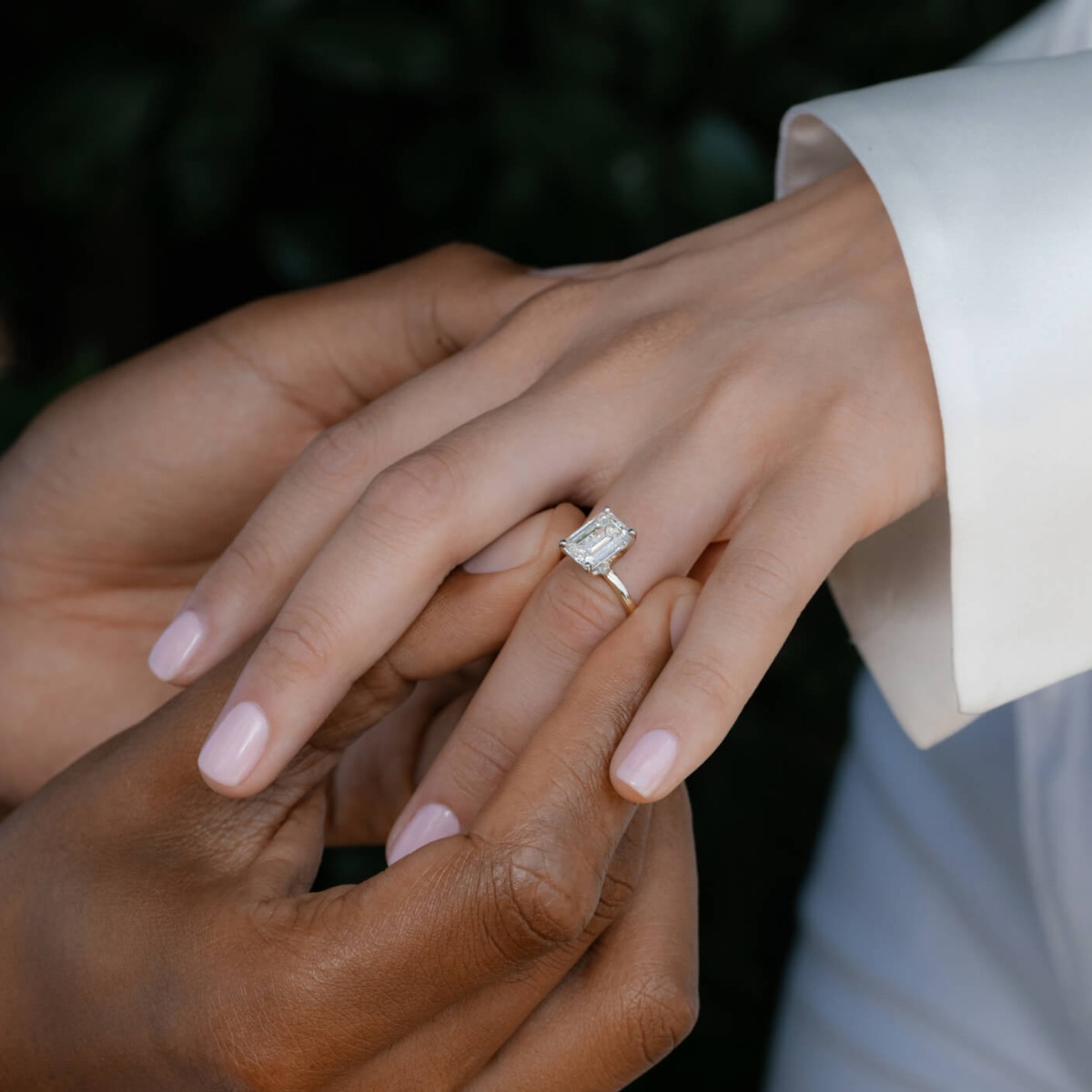
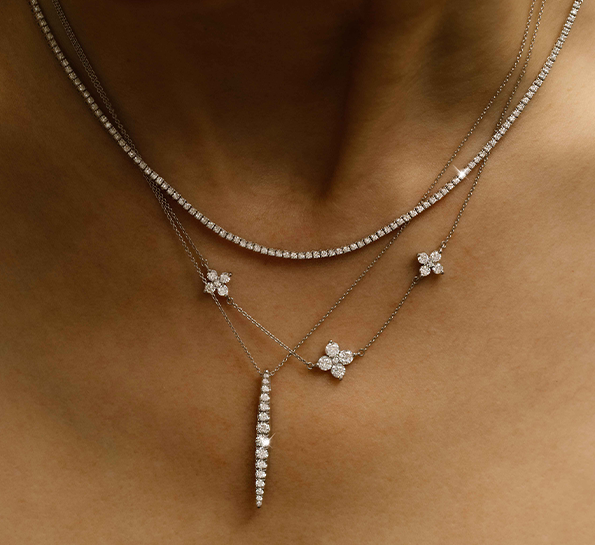
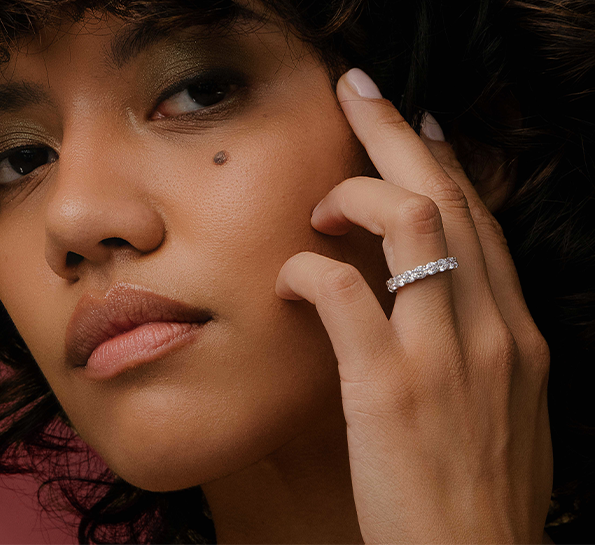
At Clean Origin, we offer an extensive collection of fine jewelry for all special occasions and everyday wear. Are you looking for a lab grown diamond engagement ring, a pair of natural diamond stud earrings, tennis bracelets, or any other diamond jewelry? Clean Origin has it, and we want to help you find the perfect one!

Contact our customer service team through virtual consultations or at a showroom near you today. When you buy natural diamonds from Clean Origin, you can trust that you're receiving only the highest quality of natural created diamonds.

60 day returns

"No questions asked" return policy if you aren’t happy

Free shipping both ways

Your package is insured and unmarked for privacy

Clean Origin Diamonds

Every lab-grown and natural diamond is ethically chosen based on its clean origin.

free resizing

We’ll help you get it just right if it doesn't fit